
The Secret to a Flawless Muscle Car Shine
Let’s face it—owning a muscle car isn’t just about horsepower and that deep, throaty growl of the engine. It’s about commanding attention, turning heads, and making sure your ride looks as mean as it sounds. A proper detailing job doesn’t just impress car enthusiasts; it makes pedestrians stop mid-stride and stare like they’ve seen a UFO parallel park. But if you think a quick rinse and a splash of wax will do the trick, you’re in for a rude awakening. Muscle cars demand care, precision, and a whole lot of elbow grease to keep them looking showroom-fresh.
Whether you’re rolling in a vintage GTO or a modern-day Challenger, the secret to a gleaming finish is all about technique. This guide will walk you through everything from exterior detailing to interior TLC, avoiding common mistakes and pro-level tricks to keep your speedster looking razor-sharp. Buckle up—your muscle car is about to get the VIP treatment it deserves.
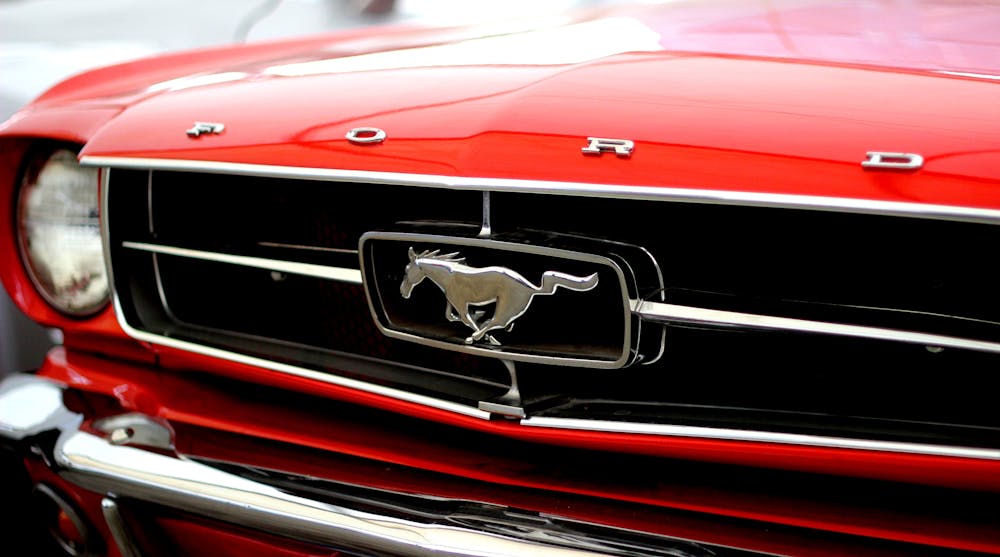
Exterior Car Detailing: Bringing Out the Best in Your Muscle Car’s Bodywork
Muscle cars have a distinct presence, and their bodywork needs special attention to maintain that aggressive, head-turning look. Follow these steps for professional exterior detailing:
1. Pre-Wash Inspection and Prep
Before you even touch the car with water, inspect the bodywork. Muscle cars often have custom paint jobs, stripes, or decals that require special care. Check for dirt buildup, bird droppings, or tar spots that might need extra treatment.
Start by rinsing the car thoroughly to remove loose dirt. Use a foam cannon or a high-quality pH-neutral car shampoo to loosen grime before touching the surface. Pay special attention to wheel wells and lower panels, as these collect the most dirt.
2. Two-Bucket Wash Method
To avoid scratching the paint, use one bucket for clean water and another for soapy water. A microfiber wash mitt is a must—sponges can trap dirt and cause swirl marks. Always wash from top to bottom in straight motions, never in circles, to avoid streaking.
For added protection, use a grit guard at the bottom of your bucket to trap dirt and prevent it from being reintroduced onto the car’s surface.
3. Targeting the Details
Muscle cars have lots of chrome, vents, and body lines that trap dirt. Use a soft detailing brush for grilles, badges, and door jambs. Tar and bug remover will help break down stubborn road grime on bumpers and lower panels.
Pay extra attention to areas like the gas cap compartment, hood vents, and around side mirrors where dirt builds up unnoticed.
4. Clay Bar Treatment for a Glass-Like Finish
Even after washing, your car’s surface might still have bonded contaminants. A clay bar removes embedded dirt and makes the paint silky smooth. Lubricate the surface with a detailing spray and gently glide the clay bar across the paint.
For best results, knead the clay bar regularly to expose a fresh section, and don’t press too hard—it should glide effortlessly.
5. Polishing and Waxing for a Deep Shine
Muscle car paint needs depth and clarity. Use a dual-action polisher with a mild polish to remove light swirl marks and oxidation. Follow with a high-quality carnauba wax or ceramic coating for long-term shine and protection.
Ceramic coatings provide months of protection, reducing the need for frequent polishing and waxing.
Interior Cleaning: Restoring the Muscle Car’s Cabin to Perfection
A muscle car’s interior is just as important as its exterior. Whether it’s leather, metal, glass, or plastic, each surface requires specific care to keep the inside looking fresh.
1. Vacuuming and Dust Removal
Start with a thorough vacuuming. Get into the nooks and crannies, under the seats, and inside the vents. A soft detailing brush can help remove dust from vents and dashboard crevices. Use a handheld air compressor to dislodge stubborn dust from hard-to-reach spots.
2. Leather Seats and Upholstery Care
Use a pH-balanced leather cleaner and a soft brush if your muscle car has leather seats. Avoid excessive moisture, as it can cause the leather to crack. Finish with a leather conditioner to keep the seats supple.
For fabric upholstery, use a foaming fabric cleaner and a stiff brush to lift dirt without over-saturating the material.
3. Metal and Chrome Accents
Polished aluminium or chrome details inside the cabin need a specialized metal polish to remove smudges and oxidation. Always use a microfiber towel to avoid scratching the surface.
A sealant or wax can add extra protection against fingerprints and oxidation.
4. Glass and Touchscreen Displays
Use a streak-free glass cleaner for windows and mirrors. For touchscreens, use a microfiber cloth with an electronics-safe cleaner to remove fingerprints without damaging the surface.
To prevent fogging on interior glass, apply an anti-fog solution.
5. Plastic and Vinyl Surfaces
Dashboards, door panels, and center consoles need a non-greasy interior cleaner. Avoid silicone-based products that leave a shiny, greasy film and attract dust.
A matte finish interior protectant can reduce glare and maintain a factory-fresh look.
Avoiding the Most Common Detailing Mistakes
Even experienced detailers make mistakes that can damage a muscle car’s finish. Here’s what NOT to do:
1. Skipping the Pre-Rinse
Jumping straight to washing without a thorough rinse can lead to swirl marks. Always remove as much dirt as possible before using a mitt.
2. Using Household Cleaning Products
Dish soap strips protective coatings and damages paint. Always use automotive-specific products.
3. Over-Applying Wax or Polish
Too much product can leave streaks and residue. Apply in thin layers for the best results.
4. Cleaning in Direct Sunlight
Heat causes products to dry too quickly, leading to streaks and uneven results. Always work in the shade.
5. Using the Wrong Towels
Regular towels and paper towels can scratch surfaces. Stick to microfiber cloths for a swirl-free finish.
Pro Tips for Faster, More Effective Detailing Without Sacrificing Quality
Want to get that pro-level finish without spending all day detailing? Try these efficiency-boosting tricks:
- Invest in a foam cannon for a thick pre-wash layer that lifts dirt before you touch the car.
- Use an air compressor to remove dust from vents, buttons, and seams.
- Apply a spray wax or ceramic sealant after every wash for easier maintenance.
- Keep detailing wipes in the car for quick touch-ups on the go.
Final Thoughts
Detailing a muscle car isn’t just maintenance—it’s a love affair with steel and horsepower. It’s about ensuring your ride looks as fierce as it sounds, whether sitting at a stoplight or roaring down the highway. With the right products, techniques, and patience, your muscle car will stay in top shape, always ready to steal the show. After all, when your ride gleams like liquid fire, people don’t just see it—they feel it.